All the benefits of honey
Valuable constituents


Valuable constituents
Honey is a precious gift from nature. Over 180 natural constituents confer its unique character – from valuable minerals to natural enzymes. We maintain these constituents with great diligence, in order to ensure that you can enjoy your honey in its purest form.
Amino acids are natural components of honey, occurring in varying concentrations in each harvest.
As the building blocks of proteins, amino acids play an important role in the human body. In honey, they also influence the taste: they lend it depth, round off the flavour and contribute towards its unmistakable profile.
In the body, enzymes play a vital role in natural processes. In honey, they are, above all, an indication of how gently it has been handled.
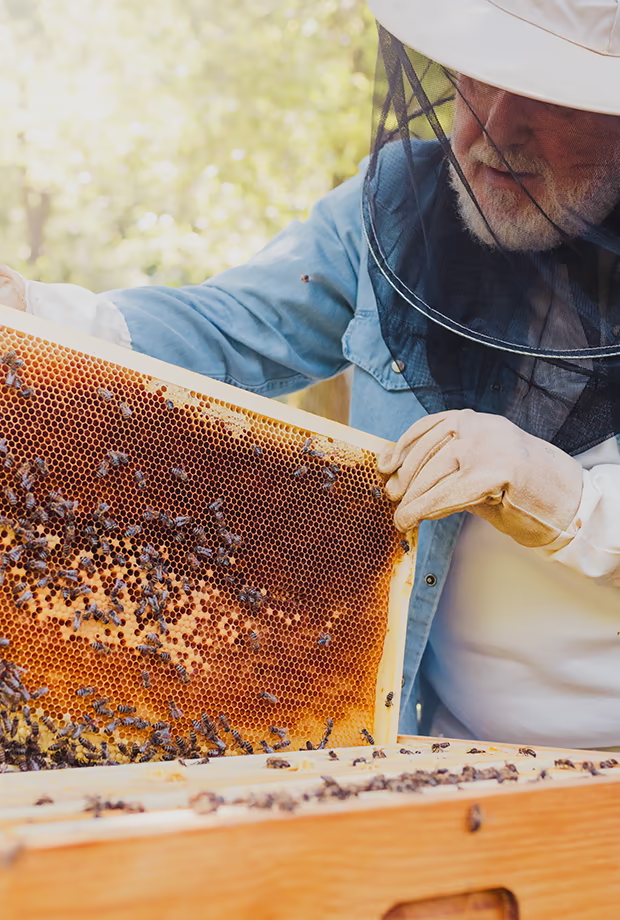
In order to preserve the delicate enzymes, we carefully ensure that the temperature during bottling does not exceed 36 °C, i.e. the natural warmth of the beehive.
Honey is the ideal source of energy for all your active moments. The combination of different types of sugar ensures a balanced energy supply: whilst glucose provides a quick energy boost, fructose is absorbed more slowly. This means that honey provides you with both fast and sustained energy throughout the day.
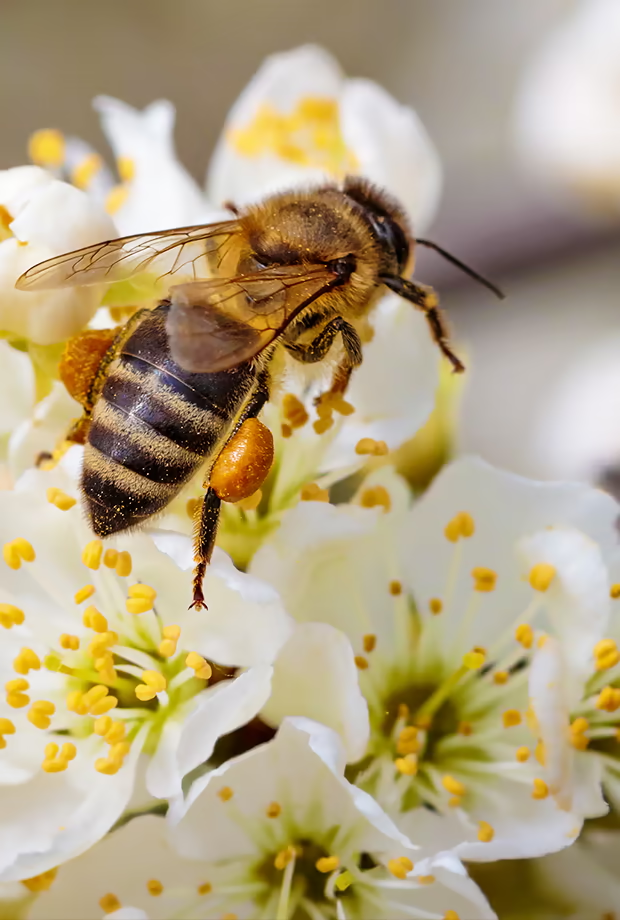
The properties that make plants strong in nature are also found in honey. Natural plant substances, including flavonoids and phenols, find their way into every jar via the nectar.
These compounds are known as antioxidants and are an integral part of a balanced diet. They are associated with protection against factors that can trigger oxidative stress in the body.
Honey is more than just a source of sweetness. In addition to its main components, it also contains a wide range of natural micronutrients – including B vitamins, vitamin C, and minerals such as potassium and magnesium.
Which and how many of these are present depends on the origin and the variety of flowers. As a result, each harvest has its own unique composition. Every jar of honey is therefore a valuable element of your health-conscious diet.
Methylglyoxal, or MGO for short, is a natural component of honey, but usually occurs only in very small quantities. It is known for its antibacterial and anti-inflammatory properties. Manuka honey plays a special role in this regard: It contains significantly higher levels of MGO than other types of honey.
This honey originates from New Zealand. There, bees collect the nectar from the manuka plant, which grows in the country’s wild natural landscape.

A particularly special honey in our range is Manuka Honey from New Zealand. It has its origins in the unspoilt wilderness, where the bees gather the nectar of the South Sea myrtle. This honey, which has long been revered by the Māori – the indigenous people of New Zealand – for its beneficial properties, is particularly valuable and versatile. It has a unique flavour and a high MGO (methylglyoxal) content of over 100.